
Other products that may interest you
-
3
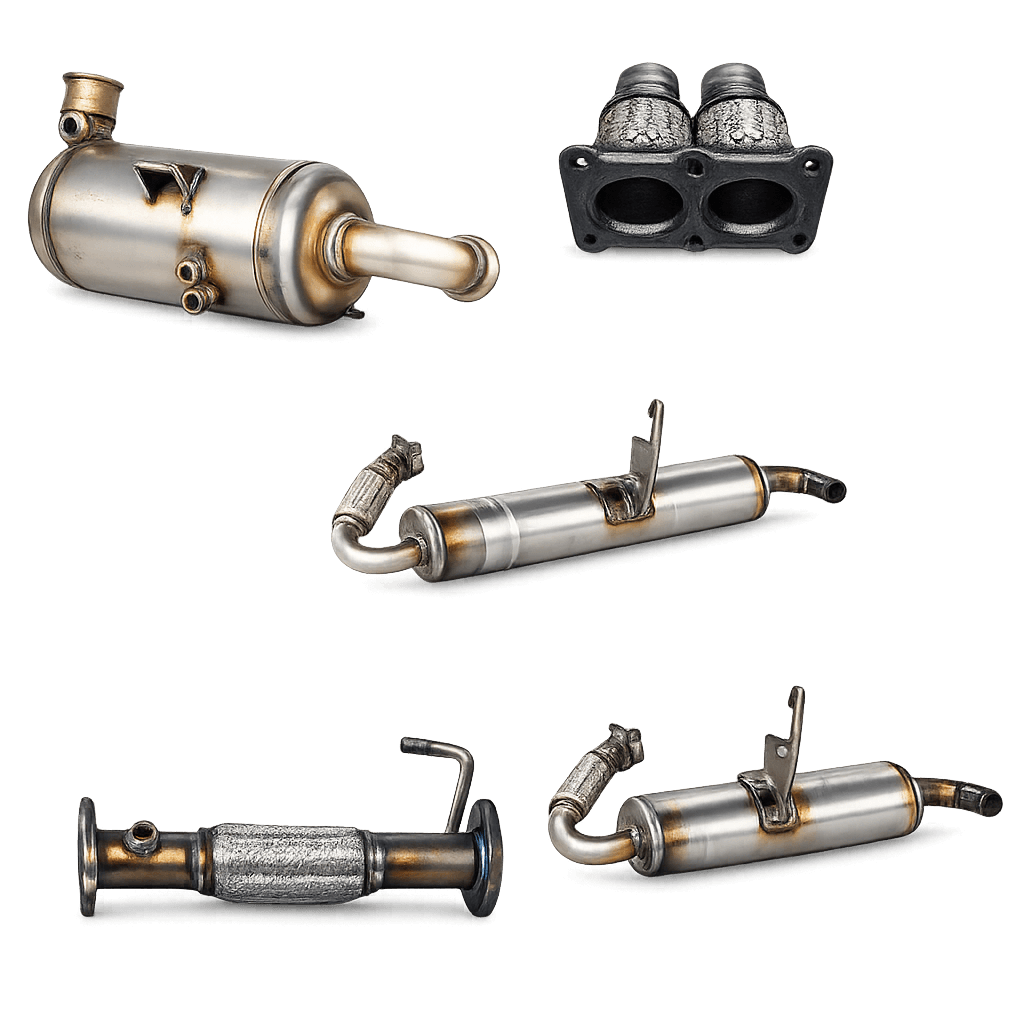
The Diesel Particulate Filter (DPF) in a Mazda 3 diesel engine plays a crucial role in reducing harmful emissions by trapping soot particles from exhaust gases. This advanced filtration system captures fine particulate matter and periodically undergoes regeneration, a process where accumulated soot is burned off at high temperatures (around 550-600°C), converting it to CO2 and mitigating pollution. Mazda 3 DPFs come in two main variants: with or without fuel additives that aid low-temperature regeneration through a catalytic converter. The vehicle’s electronic control unit continuously monitors critical parameters such as differential pressure, exhaust gas temperature, soot load, and additive levels to ensure optimal performance.
DPF regeneration typically occurs automatically every 400 to 600 kilometres under normal driving conditions, often during motorway journeys at higher engine speeds. If the filter becomes blocked—usually from excessive soot accumulation beyond 50 grams—regeneration may fail, leading to reduced engine efficiency, increased fuel consumption, and warning lights on the dashboard. Timely maintenance is essential, including manual regeneration using diagnostic tools or chemical cleaning, to prevent costly repairs or replacements. Mazda 3 owners should also be aware of the risks and legal implications of removing or disabling the DPF system.
Krosfou offers high-quality, durable DPF replacements for the Mazda 3, manufactured in stainless steel with cutting-edge ceramic substrates. These brand-new filters are designed to meet or exceed OEM standards, ensuring excellent filtration, longevity, and vehicle performance while helping you stay compliant with emission regulations. Trust Krosfou for reliable, expert solutions to keep your Mazda 3’s diesel engine clean and efficient.
-
5
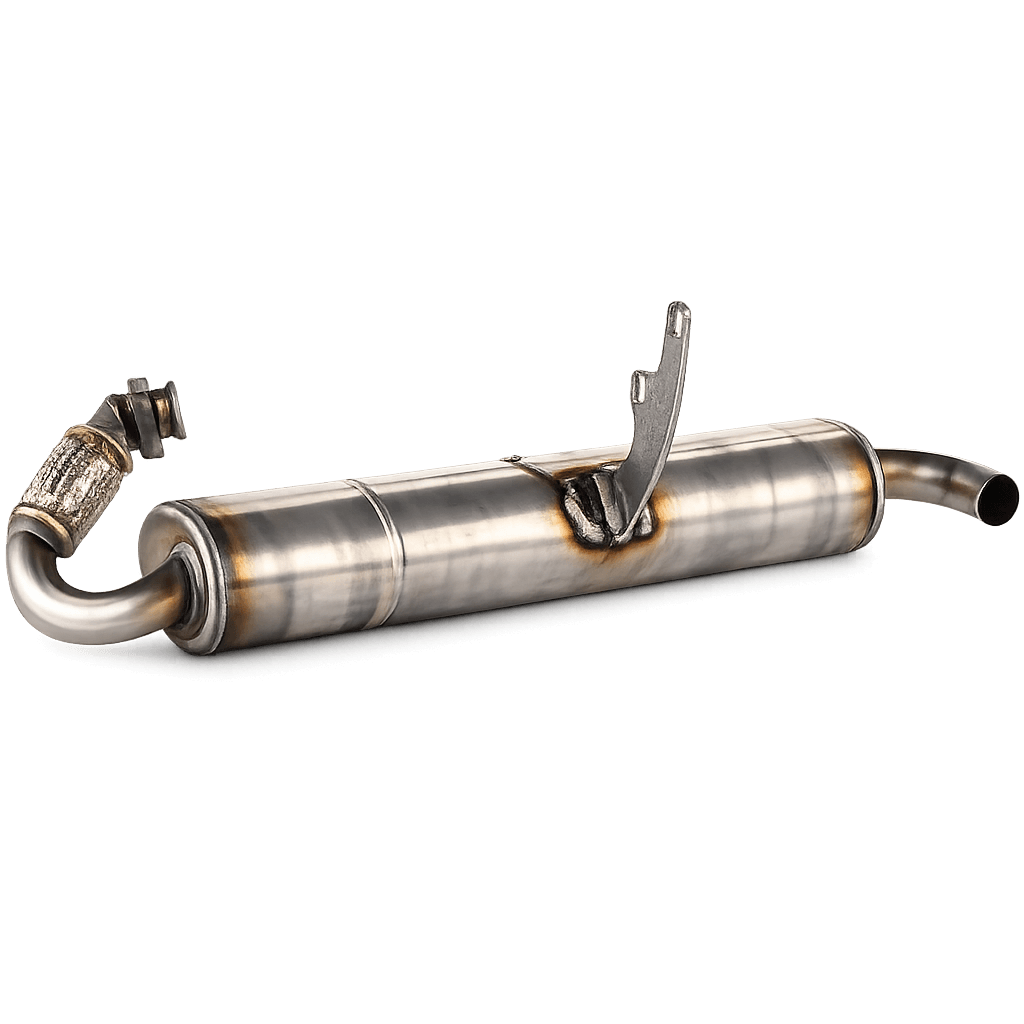
The Mazda 5 diesel particulate filter (DPF) plays a crucial role in reducing harmful emissions by capturing and removing particulate matter from the exhaust gases produced by its diesel engine. Designed to comply with strict environmental regulations, the DPF in Mazda 5 vehicles, especially the 2.0 diesel 143 hp CR19 model, continuously collects soot and ash produced during combustion. Normally, it regenerates automatically by burning off accumulated particles during regular driving conditions; however, short trips, low speeds below 15 km/h, or cold starts can cause excessive soot build-up. This may trigger the DPF warning light on the dashboard, indicating a need for attention.
When the DPF warning light or error codes appear, symptoms such as reduced engine power, unusual exhaust smells, and even engine malfunctions can occur. Mazda recommends carrying out manual regeneration by driving at speeds above 20 km/h for 15–20 minutes once the engine coolant reaches at least 80°C to help burn off the soot. If the warning light persists or flashes, it is essential to seek expert diagnosis and potential servicing from a qualified Mazda mechanic to avoid further engine damage.
Krosfou offers premium-quality DPF replacements and cleaning services that guarantee restored performance, enhanced fuel efficiency, and compliance with emission standards. Manufactured in Europe from high-grade stainless steel with advanced monolith technology, Krosfou’s Mazda 5 DPFs are backed by a 3-year warranty, providing a reliable and cost-effective choice for maintaining your vehicle’s environmental responsibility and engine health over time.
-
6
The Diesel Particulate Filter (DPF) on the Mazda 6 SKYACTIV-D 2.2 plays a crucial role in capturing and removing fine particulate matter from diesel exhaust gases, ensuring your vehicle meets environmental standards. This advanced system operates by collecting soot and other particles during normal driving conditions and then regenerates automatically at high temperatures to clear the filter. However, short trips, low speeds below 15 mph, or extended idling can cause the DPF to clog, triggering warning lights on your dashboard such as “DPF Clogged” or “DPF Malfunction”. When this happens, driving the vehicle above 20 mph for around 15 to 20 minutes can often clear the blockage through forced regeneration. If unresolved, severe filter blockage will reduce engine power and require professional inspection to prevent engine damage.
DPF operation relies on measuring exhaust gas pressure to monitor soot accumulation and initiates regeneration automatically when needed. Common symptoms of a clogged filter include increased exhaust smell and altered engine sounds during the regeneration process. Cleaning methods range from manual driving techniques to specialized chemical treatments designed to dissolve soot and ash buildup safely. For Mazda 6 diesel owners, maintaining a healthy DPF not only protects the engine but also significantly reduces particulate emissions, contributing to a cleaner environment.
Krosfou offers high-quality, durable DPFs made from stainless steel and advanced ceramic materials, ensuring reliable performance and compliance with stringent European regulations. Our products come with a 3-year warranty and are manufactured with cutting-edge technology to support Mazda 6 vehicles efficiently. Trust Krosfou for optimal filtration solutions that extend the life of your diesel engine while helping to maintain lower emissions and smoother vehicle operation.
-
CX-7 (2006-2012)
The Mazda CX-7 diesel particulate filter (DPF) is a critical component designed to reduce harmful emissions by capturing up to 99% of soot particles produced during diesel combustion. Located within the exhaust system, this ceramic-based filter plays a vital role in maintaining engine performance and environmental standards, especially for the 2.2 MZR-CD engine variants. Over time, soot accumulates in the DPF, causing increased backpressure that can reduce engine power and trigger warning lights on the dashboard. RegularD regeneration processes—passive during highway driving and active via the engine management system—burn off these soot deposits to restore optimal filter function. However, frequent short trips and urban driving can hinder effective regeneration, resulting in DPF blockages that require professional cleaning or forced regeneration using diagnostic tools. Proper maintenance, timely cleaning, and when necessary, replacement with high-quality OEM or aftermarket DPFs ensure the Mazda CX-7 runs efficiently. Additionally, options such as additive use or specialized DPF kits tailored for this model help maintain emissions control and engine health. Whether addressing a flashing DPF warning light or preparing for long-term vehicle care, understanding the intricacies of the Mazda CX-7 diesel particulate filter is essential for owners seeking reliable and eco-friendly diesel performance.